

How Long Does It Take to Learn Swimming for Children?
by Coach Mark
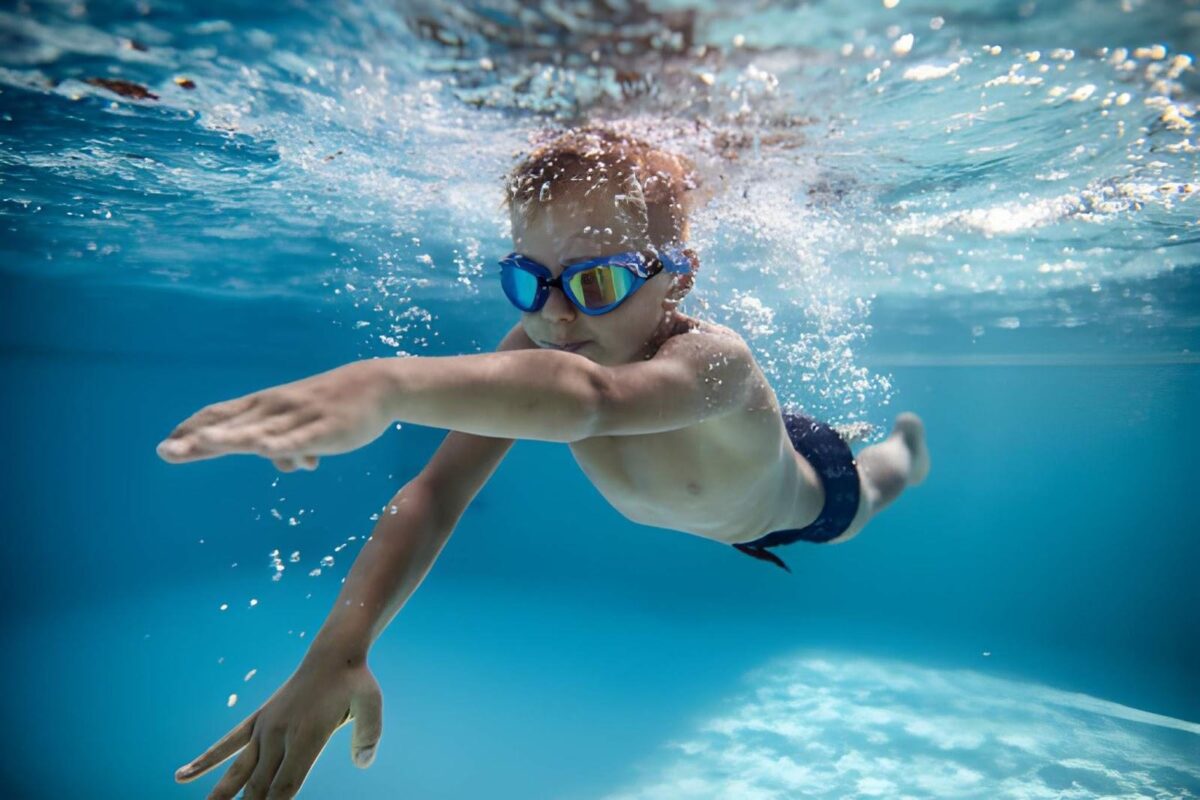
Learning to swim is an exciting milestone for children, but one of the most common questions parents ask is, how long will it actually take for their child to become confident in the water? The truth is, there’s no one-size-fits-all answer.
Every child progresses at their own pace, and various factors, including age, self-assurance in the water, and the consistency of practice, play a crucial role in shaping the learning journey.
Swimming Learning Timelines for Children Based on Age
Understanding how much time it takes a child to learn to swim can help parents set realistic expectations and support their child’s progress.
Toddlers (1 to 3 Years)
At this stage, the emphasis is on safety, comfort, and enjoyment rather than mastering swimming strokes. Lessons focus on helping toddlers learn to float, become accustomed to having water on their faces, and safely enter and exit the pool. The primary goal is building familiarity and confidence in the water.
Preschoolers (4 to 6 Years)
This age is ideal for introducing basic swimming techniques. Children develop the motor skills and attention span necessary to follow instructions and begin learning strokes. Typically, they can swim independently (Level 2) after 25 to 40 hours of consistent lessons, often achieving this milestone within a year of weekly sessions.
School-Aged (7+ Years)
Older children benefit from improved coordination, strength, and focus, enabling them to grasp techniques more quickly. Many reach Level 2 (basic propulsion) within 15 to 25 hours and can quickly advance to full-stroke proficiency, often qualifying for structured programs such as SwimSafer.
Factors That Influence How Quickly a Child Learns to Swim
Factors such as prior water exposure, confidence, and the goals set by parents all play significant roles in shaping how quickly a child learns to swim.
1. Age and Development Stage
Younger children, especially toddlers under 5, adapt naturally to the aquatic environment and enjoy playful exposure to water. In contrast, older children benefit from stronger motor coordination and the ability to follow structured drills.
Our swimming programs at Marsden Swim School are tailored to match these developmental stages, ensuring lessons are age-appropriate and effective.
2. Existing Water Confidence
Children who feel at ease in water typically advance more quickly. For those who are initially hesitant, our instructors focus on playful, confidence-building activities to develop trust and comfort before introducing technical strokes.
3. Consistent Practice Outside of Class
Regular swimming lessons provide a good starting point for learning to swim, but children can also practice outside class, which can accelerate their progress. For example, simple drills at home or in safe shallow water can reinforce skills and build muscle memory.
However, safety is still a priority, and children should always be closely supervised during any water activity.
Support Your Child’s Swimming Progress Marsden Swim School
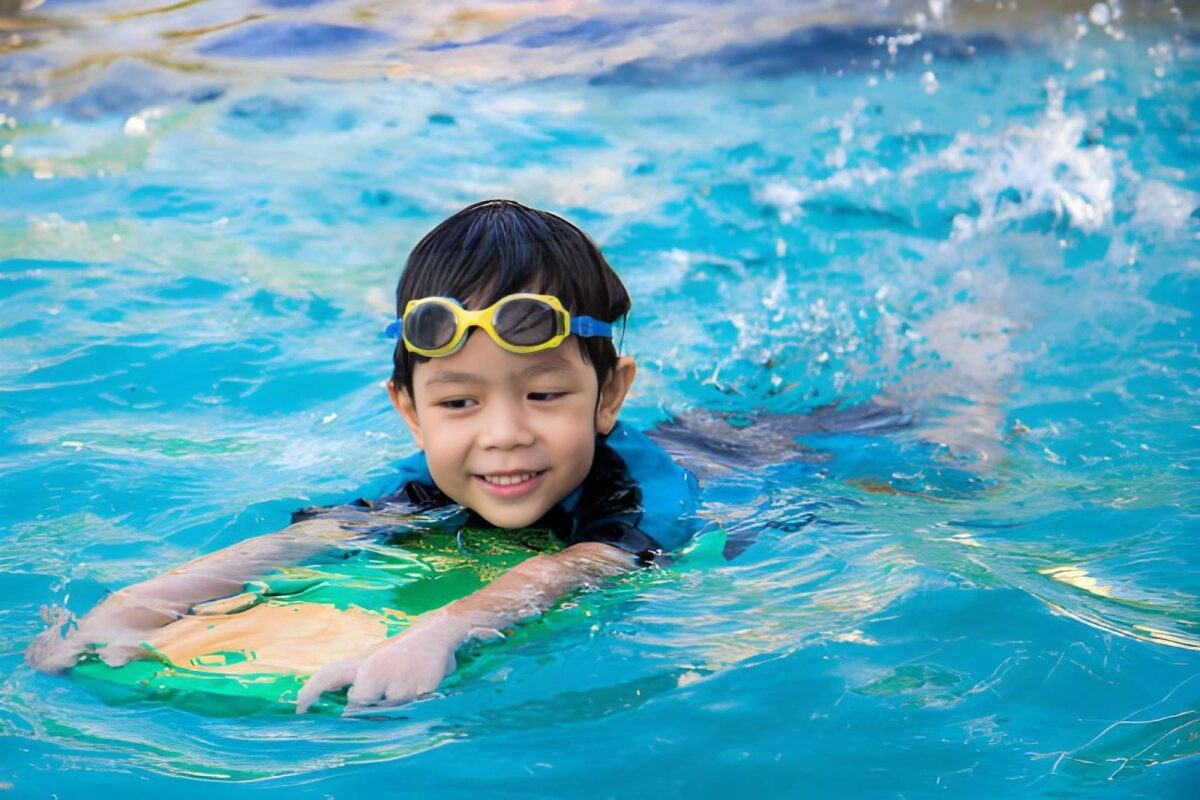
If you want your child to learn to swim efficiently and safely, consider professional guidance at Marsden Swim School. Our certified instructors provide personalized support for children of all ages and skill levels, from newborn swimming lessons to advanced training.
With our structured 10-level progression, we guide learners from beginners acquiring essential water safety skills to capable squad swimmers mastering advanced techniques. Advancement is carefully determined, with each child demonstrating competence in all areas before moving on, ensuring they achieve important swimming milestones along the way.
Enroll your child in our swimming class for kids and help them take the next step in their aquatic journey!